

The Hidden Cost of Taking Shortcuts With Contaminated Insulation
Look, I get it: discovering pest-damaged insulation makes you want to take the easy way out. Just blow some fresh stuff over that mess and call it a day, right?
This shortcut creates a ticking time bomb in your home. Rodent droppings contain pathogens that remain active for months, even when buried under new insulation. Urine-soaked materials continue breeding bacteria and attracting new pests through lingering scent markers, while mold spores multiply in the damp, contaminated environment you've just sealed away.
Professional remediation costs between $8,000 and $15,000 for severe contamination cases, a price that reflects the labor-intensive process of removing every trace of damaged material, sanitizing structural components, and sealing entry points before installing fresh insulation. The investment protects your family's health and prevents recurring infestations.
Your shortcut savings vanish when respiratory problems develop from airborne contaminants. Complete removal remains the only solution that actually solves the problem, period.
How Multi-Generational Pest Infestations Destroy Insulation Systems
When roof rats establish colonies in your attic for years, they don't just contaminate the surface of your insulation. They burrow deep into fiberglass batts, creating tunnels and nests that compress the material beyond repair, transforming the thermal barrier that once protected your home into a Swiss cheese of pathways where heated and cooled air escapes freely.
Professional insulation contractors spot the moisture damage that homeowners miss during quick attic visits. Rat urine soaks through insulation layers, reaching wooden joists and subflooring where it creates perfect conditions for rot. These moisture problems weaken structural elements while you focus only on the visible droppings above.
Mold thrives in this contaminated environment. Spores spread rapidly through compromised insulation, especially in areas where rodent waste has introduced moisture and organic matter. The air circulating through your HVAC system picks up these contaminants and distributes them throughout your living spaces.
You cannot simply add new insulation over contaminated material. The underlying damage continues to spread, and your indoor air quality remains compromised. Complete removal and replacement becomes necessary once infestations reach this level of destruction.
Material Selection and Timing Strategy for Replacement Projects
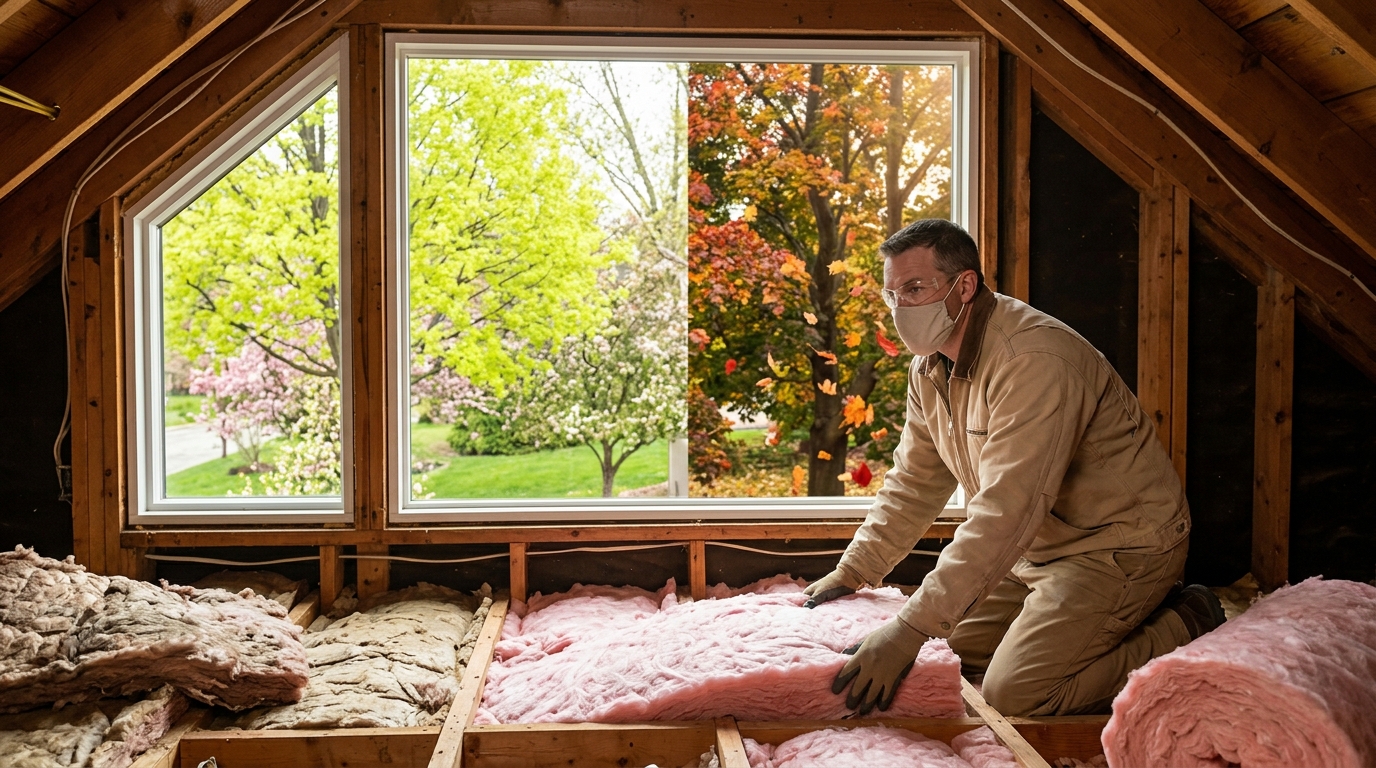
Spring and fall present the optimal windows for insulation replacement projects. These seasons offer moderate temperatures that make attic work more comfortable while avoiding the extreme heat of summer or bitter cold of winter, keeping energy costs manageable throughout the project as your HVAC system won't strain as hard during installation.
Spray foam insulation represents a major upfront investment at $1.50 to $4.00 per square foot, but delivers exceptional longevity with a lifespan reaching 80 years. This closed-cell option creates an airtight seal that traditional materials cannot match. The higher initial cost often pays for itself through decades of reduced energy bills.
TAP insulation combines pest control with thermal performance in a single solution. The material contains boric acid that deters insects and rodents while providing R-value comparable to traditional blown-in options, eliminating the need for separate pest treatments and making it particularly valuable in areas prone to insect infiltration. The timing flexibility of TAP installation makes it suitable for year-round projects when weather conditions permit safe attic access.
Managing Ongoing Pest Control During Insulation Replacement
When you combine pest removal with insulation replacement, expect your project costs to increase by up to $8,000. This integrated approach requires careful coordination between pest control professionals and insulation contractors to ensure complete remediation.
Your ongoing pest control investment will range from $110 to $260 per treatment, depending on the severity of infestation and property size. These treatments must continue throughout the insulation process to prevent re-infestation during vulnerable periods when old materials are removed.
Modern insulation materials offer strong advantages in pest resistance. Blown-in cellulose contains boric acid, which naturally deters insects and rodents. Spray foam creates an impenetrable barrier that eliminates entry points while providing superior thermal performance. These materials cost more upfront but reduce long-term pest control expenses by creating hostile environments for unwanted invaders.
Timing becomes critical during this process. Schedule pest treatments before insulation removal, during the replacement window, and immediately after installation to maintain continuous protection.
Your Pre-Assessment Checklist for Professional Evaluation
Take photos of all visible damage before contractors arrive. Document water stains, wood discoloration, and any soft spots you can press with your finger. Note the exact locations where you see pest activity or droppings.
Check your calendar for optimal timing. Spring repairs allow wood to dry thoroughly before summer humidity returns, while fall work gives materials time to cure before winter freeze cycles begin.
Write down your questions beforehand. Ask about pressure-treated lumber versus naturally rot-resistant cedar or redwood options. Inquire about integrated pest management strategies that address both current infestations and future prevention. Request specifics about moisture barriers and ventilation improvements that complement the structural repairs.
This documentation saves everyone time and helps contractors give you accurate estimates instead of ballpark guesses. Preparation like this separates successful projects from the disasters you hear about online. Once you've gathered this information and identified what needs attention, reach out to Central Insulation Systems at (513) 242-0600 or through our website to discuss your specific situation with someone who can evaluate your attic in person.